What Transportation spend management includes
Transportation spend management is an organized method to understanding, controlling, and improving the prices associated with relocating goods. It can bring together financial testimonial, shipment evaluation, carrier oversight, and procedure enhancement so that transport choices are supported by clear info.
For companies managing complex shipping task, the work may extend beyond examining billings. It can include examining transport data, determining invoicing problems, analyzing logistics processes, and creating practical methods to enhance visibility across the supply chain.
FreightOptics deals Transportation spend management.
Transport invest evaluation
A central component of Transportation spend management is assessing transportation costs in detail. This might entail arranging shipment, invoice, provider, course, accessorial, and service-level information to reveal where cash is being spent and exactly how expenses alter gradually.
With a clearer sight of the information, companies can identify recurring costs, unusual billing patterns, cost drivers, and locations where transport activity might not line up with functional demands. This evaluation can sustain a lot more informed decisions regarding delivering techniques, provider use, and inner procedures.
Products billing and settlement evaluation
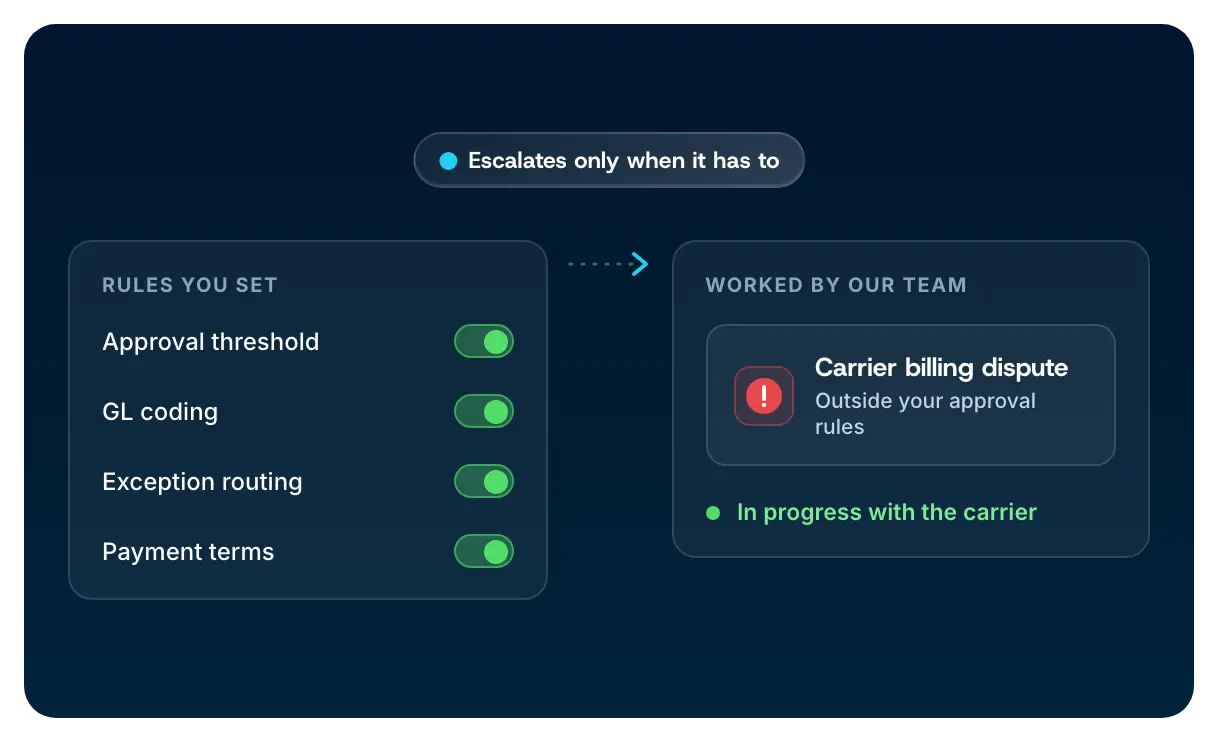
Transportation spend management might consist of evaluating freight invoices versus shipment records, got terms, and applicable charges. The goal is to help recognize discrepancies such as replicate invoicing, wrong prices, void accessorial fees, or solutions that were not gotten Transportation Spend Management as expected.
A constant evaluation procedure can additionally assist companies understand just how invoice concerns occur. That insight may support much better communication with carriers, more precise repayment operations, and boosted controls for future transport deals.
3rd Party Logistics Audit services
FreightOptics provides 3rd Party Logistics Audit services as component of the broader tasks that might support transportation expense oversight. A third Event Logistics Audit can involve examining logistics-related costs, paperwork, and deal details to assist uncover errors or incongruities.
This kind of audit may be especially helpful when transport activity is taken care of throughout multiple companies, places, systems, or solution classifications. An independent review can add an additional layer of examination and help companies establish a more complete understanding of their logistics spending.
Service provider and solution analysis
An additional possible element of Transportation spend management is reviewing service provider and service efficiency alongside cost. Assessing transit expectations, shipment results, distribution demands, and fee patterns can help organizations take into consideration whether present transportation setups support their functional priorities.
Price is only one consideration in transportation planning. A useful management method also considers solution requirements, delivery characteristics, consumer expectations, and the practical impact of changing service providers, routes, or distribution alternatives.
Coverage and recurring improvement
Efficient Transportation spend management typically depends on accessible reporting. Routine reports can organize searchings for by carrier, place, shipment type, cost classification, or period, making it much easier for stakeholders to keep track of activity and prioritize follow-up.
The job might also cause process recommendations, such as improving information capture, refining approval procedures, reviewing agreements, or establishing a routine audit timetable. By treating transport costs as an ongoing administration area as opposed to an one-time review, companies can continue enhancing exposure and accountability.
2200 N Commerce Pkwy #200, Weston, FL 33326, United States +18005784939